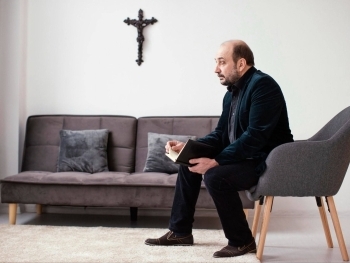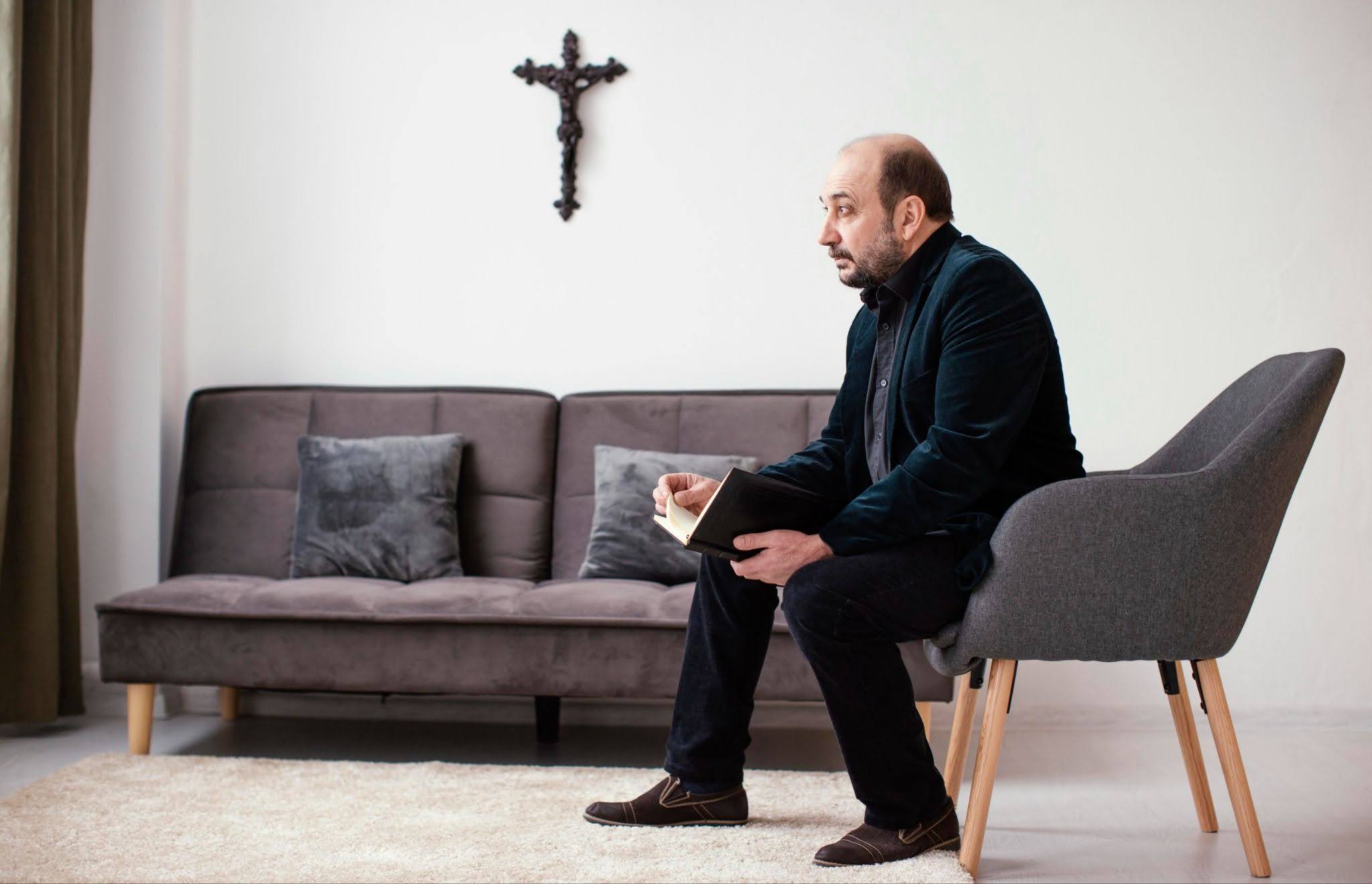
Some ministry happens inside a church. A great deal of it does not.
Chaplains spend their working lives in places most clergy visit only occasionally: the ward at three in the morning, the cell block, the barracks, the corridor outside an operating theater. They go where people cannot come to them, and they meet those people at the rawest points of a human life.
It is some of the most demanding ground in all of ministry. A hospital chaplain may sit with a family as a machine is switched off, then walk two floors up to celebrate a birth. A prison chaplain carries faith into a setting built on control and suspicion. A military chaplain shares the conditions of the people they serve, deployment and all. The role asks for stamina, nerve, and a presence that holds steady when nothing else does.
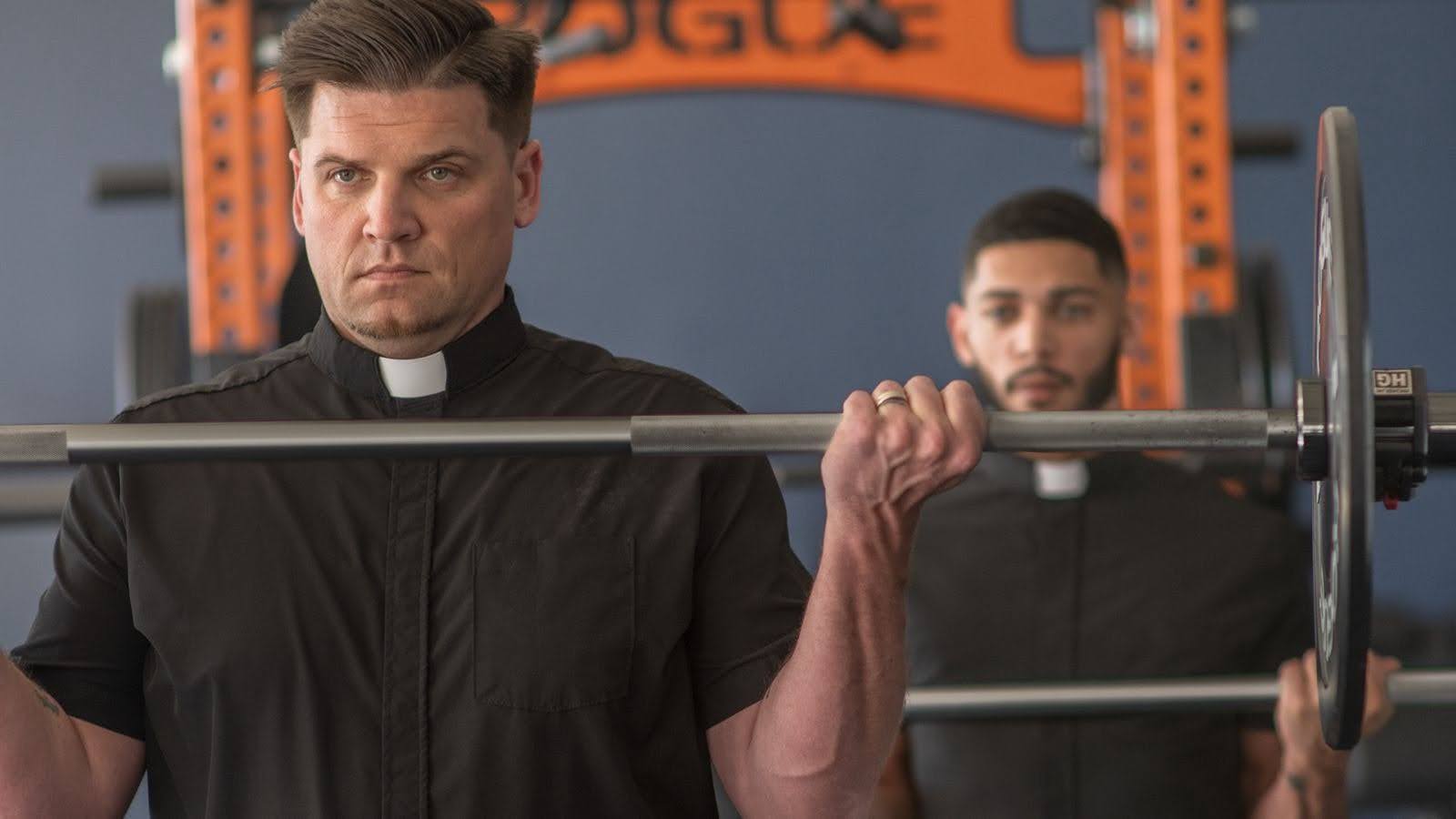
It also asks a surprising amount of the body, and even of something as ordinary as a clergy shirt. Long shifts on hard floors, sudden changes of pace, secure doors and clinical heat all take a toll over a twelve-hour day. Chaplains tend to value performance clergy shirts for the same reason they value good footwear: when you are rarely sitting still, what you wear stops being a detail and starts being equipment.
Hospital Chaplaincy: Faith at the Bedside
Within a hospital, a chaplain becomes a fixed point in a building defined by uncertainty.
The work runs around the clock. Patients want company before surgery, families need someone present as decisions are made, and staff carrying their own grief sometimes need a quiet word more than the patients do. A chaplain crosses faiths and none, offering presence rather than a sermon, often to people who would never set foot in a church.
The setting shapes everything about the day. Wards are kept warm, distances between departments are long, and a single shift can mean miles of walking across polished floors. Add the emotional weight of one difficult conversation after another, and hospital chaplaincy reveals itself as one of the most physically and mentally draining roles in ministry.
Prison Chaplaincy: Ministry Behind the Wall
Step inside a prison and the rules of pastoral work change at once.
Chaplains here operate within a system designed to restrict movement, and they earn trust slowly in an environment short on it. They run services, sit with men and women facing long sentences, support those who arrive frightened, and stand alongside families on visiting days. Much of the work is simply being a constant, non-judgmental face in a place where stability is scarce.
Security governs the rhythm of it all. Gates, checks, escorts, and locked routines mean a chaplain is on their feet and on the move for hours, often through cramped corridors and across wings that stay warm and close. The role calls for patience, resilience, and a steadiness that does not waver under pressure.
Military Chaplaincy: Serving Those Who Serve
Among the armed forces, a chaplain holds a role unlike any other in ministry.
They live where their people live. On exercise, in barracks, on deployment, the chaplain shares the same ground, the same conditions, and frequently the same risks. Theirs is a ministry of proximity, built on showing up day after day until the trust is real. They counsel, they conduct services in the field, they support families at home, and they carry the moral weight of the work alongside everyone around them.
Conditions are rarely comfortable and almost never predictable. A chaplain might move from an office to a parade ground to a remote posting within a single rotation, dressing for heat one week and damp the next. Few ministry roles demand more of the body, or reward practical, hard-wearing clothing more directly.
One Thread Runs Through All Three
Different as these settings are, the daily experience of the chaplain rhymes across every one.
Long shifts. Constant movement. Heat held inside large institutional buildings. Emotionally heavy work that allows little chance to pause, change, or reset. A chaplain is on their feet for the bulk of the day, present at moments that ask for their full attention, and unable to predict what the next hour will bring.
That combination places a quiet strain on the smallest things. A shirt that clings, creases, or holds the heat becomes one more burden on a day with no shortage of them. Over a single shift it is a minor irritation. Over a working week, it wears a person down.
Why Performance Clothing Earns Its Place in Chaplaincy
Practical kit matters more in chaplaincy than in almost any other branch of ministry, and clothing sits close to the top of the list.
For a long time, chaplains made do with the same heavy cotton and rigid polyester worn by parish clergy, neither of which was designed for a twelve-hour shift on a ward or a long day inside a secure wing. The fabric trapped heat, lost its shape, and turned a hard day into an uncomfortable one.
Performance fabric answers the actual brief. Moisture-wicking material keeps a chaplain dry through long, warm shifts. Four-way stretch allows free movement through gates, up stairwells, and across wards. A wrinkle-resistant finish holds a smart, professional look from the first hour to the last, even when there is no chance to change. Brands like Wicking Vicar build clergy shirts around this kind of working day, pairing a traditional clerical appearance with fabric closer to athletic wear than formal tailoring. For someone who spends their shift in motion, that difference is felt in the feet, the back, and the focus.
Conclusion
Chaplaincy is ministry stripped back to its hardest and most human form. It happens in the places people are most afraid, most confined, and most alone, carried out by clergy willing to go and stay there.
The role asks for emotional strength, physical endurance, and a presence that steadies a room without saying much at all. Those are the things that matter, and they are what chaplains are remembered for.
The practical side simply makes the rest possible. When the hours are long and the setting is unforgiving, clothing that stays comfortable and composed is one less thing to fight, and that leaves more of the chaplain free for the people who need them.